Peptide Storage Space Guide: For How Long Do Peptides Last?
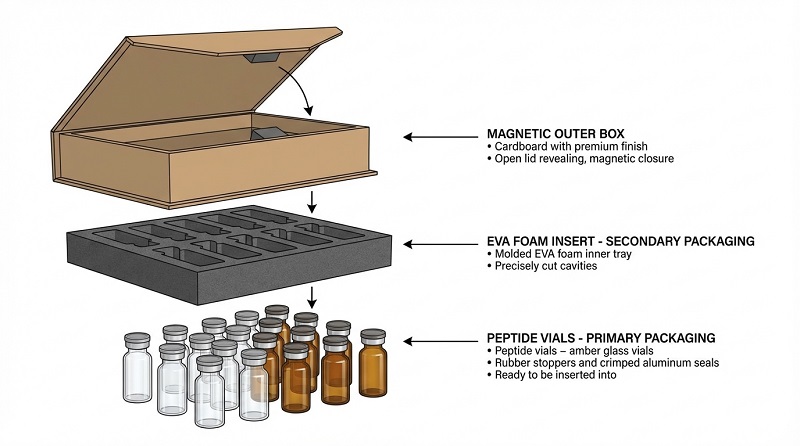
Over-engineering storage for peptides you will utilize rapidly wastes sources, while under-protecting long-lasting supply dangers deterioration and wasted research substances. For scientists with accessibility to ultra-low temperature level fridges freezer, minus eighty degrees represents the gold requirement for peptide conservation. At this temperature, deterioration slows down to virtually imperceptible levels. Studies have actually revealed minimal peptide break down even after a years of minus eighty storage space. The major constraint is that cooled storage does not completely halt destruction. Dampness access continues to be a concern, particularly in basic lab refrigerators where moisture can rise and fall.
Bacteriostatic Water: Why It Matters
In lyophilized powder, almost all water is gone, which is why service life stretches to months as opposed to weeks. Lyophilized peptides, those freeze-dried powders that get here in your study products, are incredibly stable compounds. Even more steady than their reconstituted equivalents. An appropriately stored BPC-157 vial can retain its potency for three to 5 years at minus twenty levels Celsius. Some scientists have documented practical peptides after a years of frozen storage space.
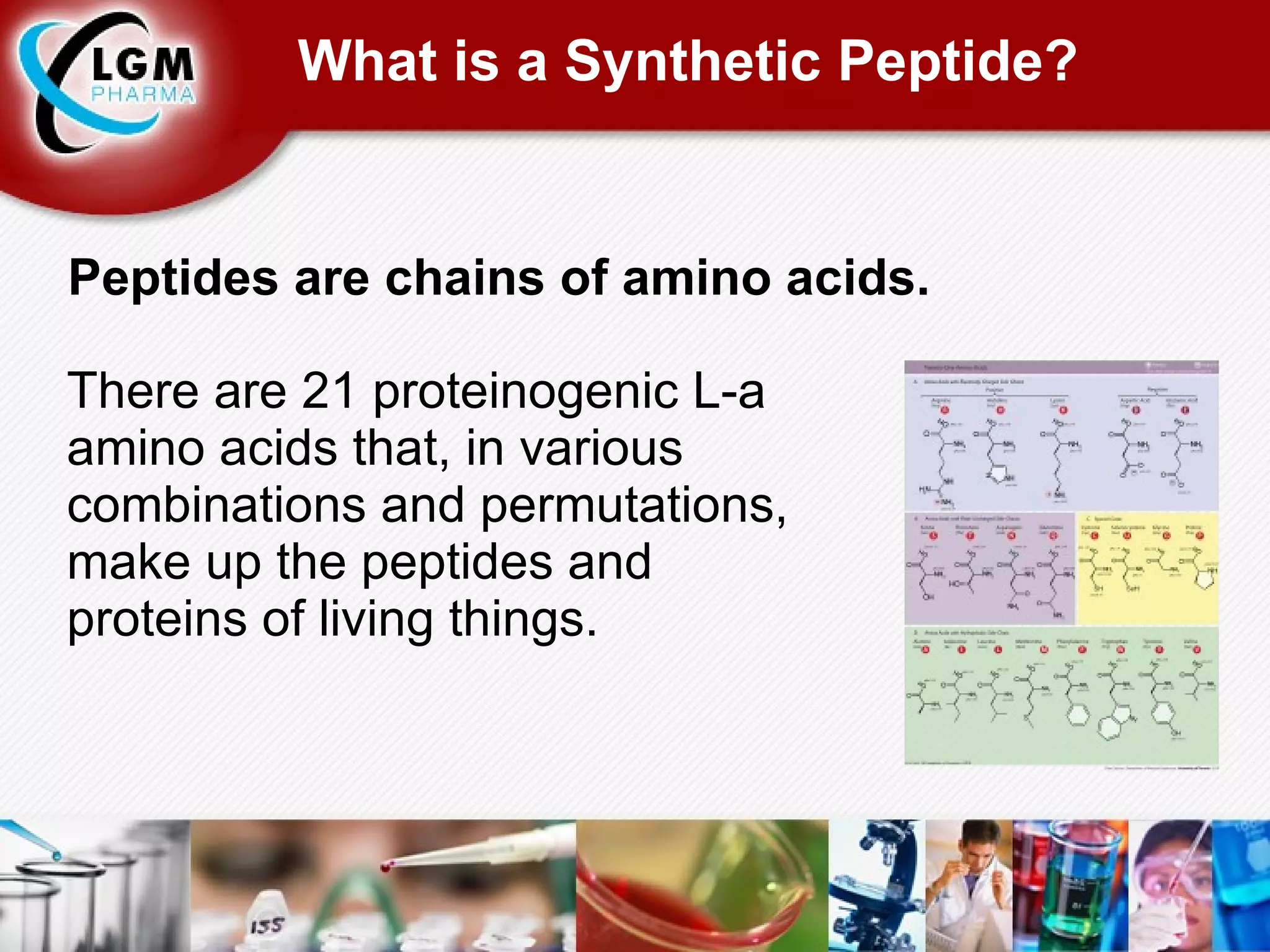
- Any strong or uncommon smell recommends chemical breakdown has taken place.The retatrutide calculator maps out regular shots so you can make use of each vial effectively within its stability home window and track dose timing.Clear services becoming yellow, brown, or pink show troubles.Understanding your details peptide amino acid composition assists you forecast its storage actions.
A clumped peptide is not necessarily deteriorated, but moisture direct exposure increases the chance of various other deterioration paths. For peptides with these oxidation-sensitive residues, scientists advise saving under inert atmosphere. Removing the vial headspace with nitrogen or argon eliminates oxygen and substantially reduces oxidation rates.
Complete Guide-- Detailed Methods
Each needle slit via the stopper presents Visit website a percentage of air and produces a slightly bigger pathway for future air access. If you are attracting dosages twice daily from the very same vial for 1 month, that stopper gets punctured 60 times. By the end, air exchange through those collected micro-channels is substantial.
The term "peptides 4 life" includes a broad spectrum of applications and understandings associated with these important organic molecules. The search intent surrounding Zint Collagen Peptides continually points towards its capacity to sustain and enhance bodily functions. A key advantage highlighted is its duty in advertising skin health. Hydrolyzed Type I & III Collagen aids promote flexibility, hydration, and toughness, contributing to an extra youthful and glowing skin.The temperature level is chilly enough to successfully halt the majority of degradation responses while being accessible sufficient for regular use. Insert the needle via the rubber stopper of the peptide vial at a superficial angle. Direct the needle pointer so that the bacteriostatic water runs gradually down the inside wall of the vial-- not straight onto the lyophilised powder cake in the centre. This avoids mechanical disruption of the delicate freeze-dried matrix and decreases the danger of foaming or denaturation. Shielded bags with cold pack preserve temperatures during travel.
Appropriately stored lyophilized peptides are incredibly steady. The minus twenty degree fridge freezer is the conventional referral for long-lasting peptide storage space. At this temperature, a lot of lyophilized peptides continue to be steady for three to 5 years, with some keeping viability even longer. A reconstituted peptide kept at 4 degrees Celsius normally remains stable for days to weeks. The same peptide in lyophilized type at minus twenty degrees can last three to five years. At minus eighty levels, scientists have actually documented minimal degradation also after 10 years of storage space.
Relocating from 25 ° C room temperature to 4 ° C refrigeration lowers response rates by about four-fold. This principle, called the Arrhenius partnership, explains why refrigerated peptides last so much longer than those saved at ambient problems. Lyophilized peptides can last 1-2 years in the fridge or a number of years when iced up, while reconstituted peptides typically stay steady for about 1 month in refrigeration. Expert pharmaceutical formulas typically include excipients that enhance peptide security. Sugars like mannitol, trehalose, and sucrose can maintain peptide framework in service. Amino acid excipients like histidine and methionine can act as antioxidant barriers, sacrificing themselves to oxidation before the active peptide is affected. Surfactants like polysorbate 80 can reduce surface area adsorption to container walls and avoid gathering at air-liquid user interfaces. Peptides used in mind and nerve system research study, consisting of semax, selank, DSIP, and cerebrolysin, have varying security accounts. DSIP includes a tryptophan residue that makes it more light-sensitive, so extra focus to UV defense is required.